
In Phayao Province located in the northern region of Thailand, there is a small community known as Ban Jam Kai, officially Ban Mai Ratsadon Bamrung, located in San Khong Subdistrict, Dok Khamtai District, approximately 24 kilometers from Phayao city. The village is home to Phu Thai people originally from Kalasin and Mukdahan, as well as Isan communities from Nakhon Ratchasima and Khon Kaen, who migrated and settled in the area more than fifty years ago. Agriculture and handwoven textiles have long been their main livelihoods, along with the inherited wisdom of natural cotton weaving.
One of the most distinctive features of Ban Jam Kai’s textiles is the “Turtle Shell” pattern, a unique design that reflects local beliefs in stability and abundance. This traditional pattern has been passed down through generations and has become a vital form of cultural capital that continues to shape the community’s identity today.
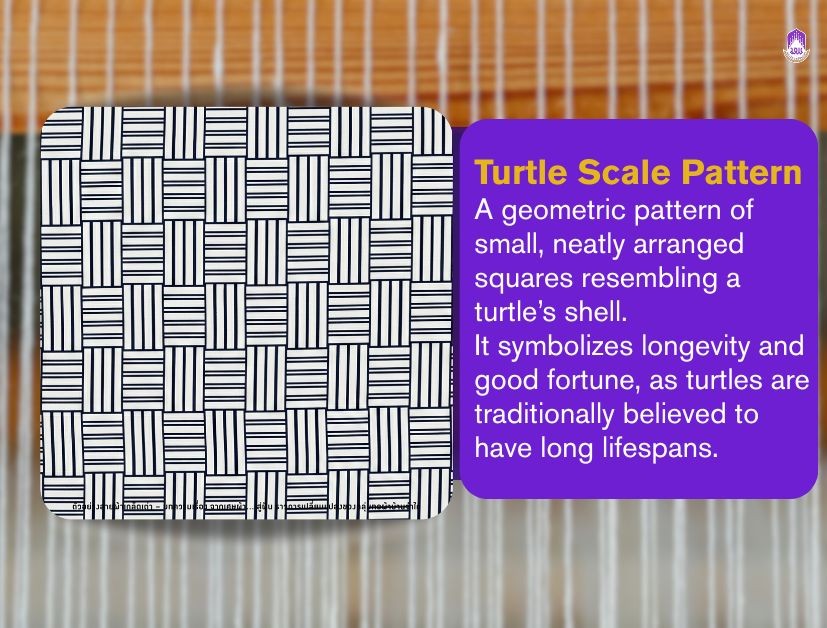
Despite their craftsmanship and strong cultural identity, the Ban Mai Ratsadon Bamrung weaving group—comprising 22 members, most of whom are women—faced a critical challenge: hard work did not translate into fair income. For a period of time, the group believed that selling a piece of fabric for 390 baht generated profit. However, detailed cost calculation later revealed that the true production cost of the turtle-shell patterned fabric was as high as 600 baht per piece. This issue highlighted a common gap among small-scale community producers: limited knowledge in cost management, pricing strategies, and product development.
.jpg)
A major turning point occurred when the University of Phayao stepped in as a university committed to area-based development through a research project led by Mr. Kamolpong Ratanasanguanvongs, Head of the Research Project, from the Faculty of Business Administration and Communication Arts, University of Phayao, together with a multidisciplinary research team. Rather than simply transferring knowledge, the project integrated academic expertise with local wisdom under the concept “Green Mind, Creative Hand, Local Heart,” placing the community at the center of the development process and empowering them as true owners of change.
.jpg)
One key contribution was the introduction of the “Roo Thun” (Know Your Costs) cost-calculation tool, which enabled community members to clearly understand their real production costs and make data-driven decisions. With this foundation, the group expanded from selling fabric by the piece to developing ready-made products such as turtle-shell patterned garments suitable for everyday wear, and canvas bags that blend local identity with contemporary design. These innovations made the products more accessible to the market and significantly increased their added value.
.jpg)
Another important transformation was the adoption of a green economy and Zero Waste approach. Textile scraps that were once discarded were repurposed into small items such as keychains, decorative flowers, and cup sleeves. This not only reduced waste but also created additional income streams and promoted resource efficiency throughout the production process.
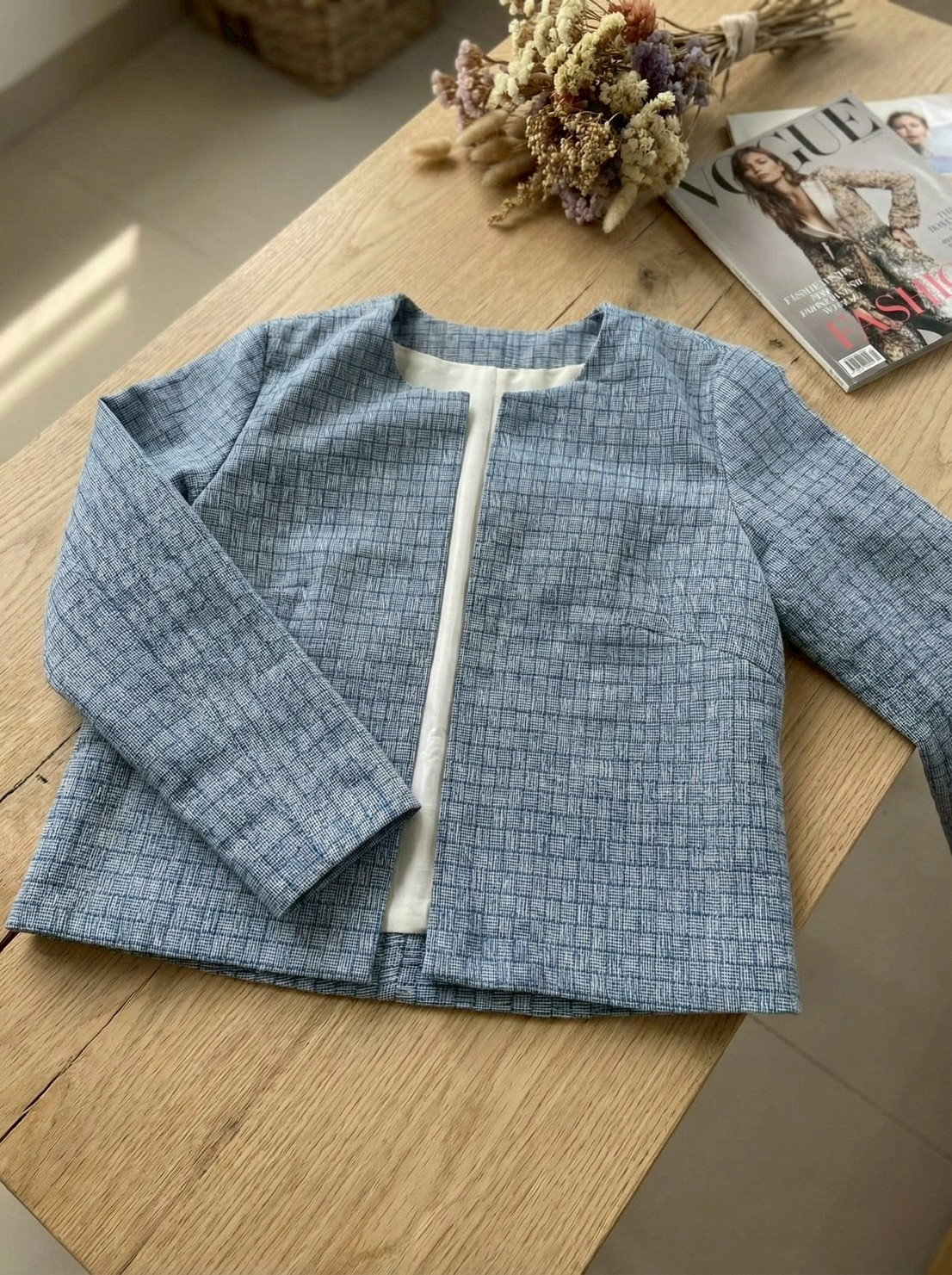
The outcomes of this development, supported by the University of Phayao’s academic expertise, are reflected in tangible economic gains. New products achieved profit margins ranging from 60 to 100 percent, while the project also generated social returns that exceeded the initial investment. Moreover, the initiative aligns closely with the United Nations Sustainable Development Goals (SDGs), particularly in promoting decent work, lifelong learning, gender equality, and responsible resource consumption.
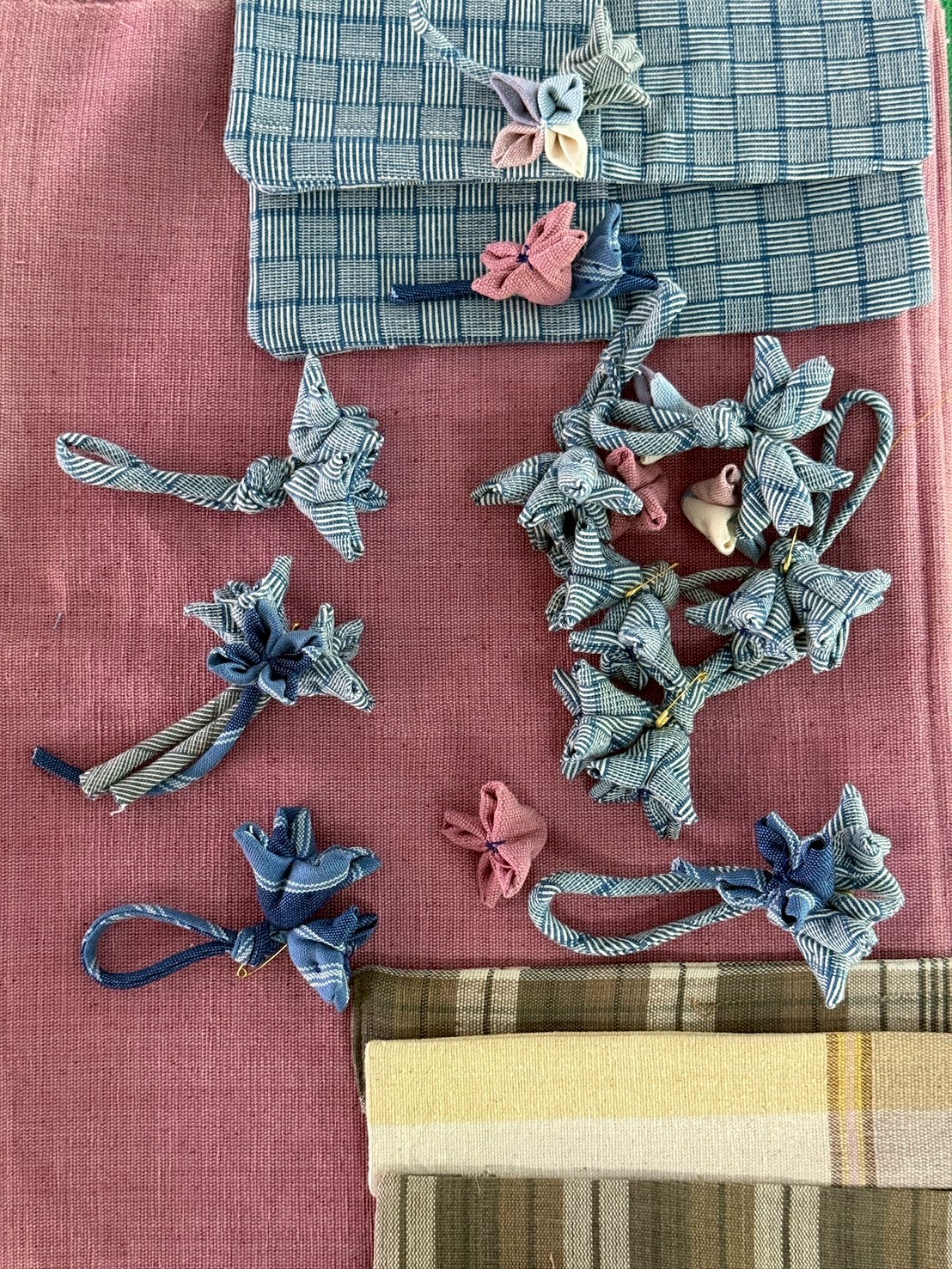
Beyond financial indicators, the most significant change has been seen in the people themselves. Women in the community have transitioned from being traditional weavers to becoming confident community entrepreneurs equipped with knowledge, skills, and the ability to pass on their experience to others. As a result, Ban Jam Kai has evolved into a lifelong learning hub known as the ISSAN LANNA Learning Space.
Today, Ban Jam Kai stands as a compelling example of how cultural capital can be transformed into Soft Power—not only preserving local identity, but also strengthening community resilience and generating sustainable income through a creative economy model.
Source by: Mr. Kamolpong Ratanasanguanvongs
Lecturer, Digital Marketing Program
School of Business and Communication Arts ,University of Phayao